
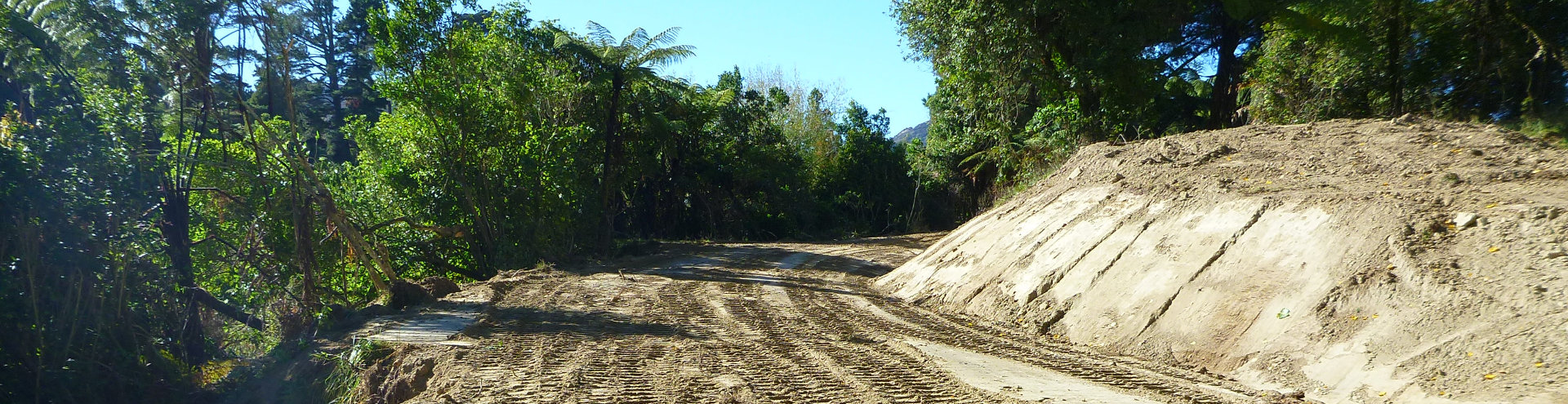
Public access is national infrastructure
The National Infrastructure Plan is an exciting step change in the way we approach infrastructure. The question of what infrastructure we need as a country and how we build and maintain it is a crucial conversation for New Zealanders. This national plan shows we can build better infrastructure that benefits everyone. If we include public access in the plan, we will have even better infrastructure.
The National Infrastructure Plan
Good, affordable infrastructure is possible
Most New Zealanders already regularly use the public outdoor access available to them, by walking, biking, hunting, climbing, and a plethora of other activities. We already have a law that articulates the value of outdoor access. We already have community groups showing us they are keen to build and maintain that access. Now we need a national plan to value that access for what it is: enduring infrastructure. It is cheap to build, cheap to maintain, and priceless in the benefits it delivers every day — safer journeys, healthier people, stronger communities, thriving regions, and a living connection to place.
The National Infrastructure Plan sets out a big strategy for how we make better trade-offs — focusing investment on health and clean energy, while tightening transport expenditure across the next three decades. It names the system changes we need for more enduring fit-for-purpose infrastructure: finding common ground, planning for what we can afford, looking after what we have and prioritising the right projects.
New Zealand can do all of this faster and cheaper if we treat outdoor public access — the network of tracks, trails and legal rights-of-way that allow people to move freely through the outdoors -as infrastructure in the Plan too.
Public access is a core, legally mandated function of the state. The Walking Access Act 2008 sets the purpose plainly: to provide the public with “free, certain, enduring, and practical” access to the outdoors. Our National Infrastructure Plan will be stronger and more credible for supporting public access as core infrastructure.
Access relieves pressure on health, transport and the environment
When we build and maintain outdoor access, we invest in three crucial portfolios at once. Good access infrastructure reduces pressure on health (by supporting physical and mental wellbeing), on transport (by enabling safe, low-cost active travel), and on the environment (by connecting people to the outdoors and creating corridors for trapping and hunting, biodiversity protection and native bush restoration).
Consider our growing cities and towns. Retrofitting off-road paths and corridors after subdivisions go up is costly and contested. Planning and securing easements for walkways and cycleways before fields and forests become suburbs — so children can get to school and people to shops or offices without mixing with high-speed traffic — is cost-effective and common-sense transport planning.
A national access plan is the solution
Right now, responsibility, funding and activity for outdoor access is spread across local councils, NZ Transport Agency, the Department of Conservation, philanthropic grants, private trusts and community volunteers. Trail builders in local communities that want to build or maintain outdoor infrastructure compete against each other for funding. Regions with already well-resourced advocates usually win. A single national access strategy, led by a single agency, could overcome much of that with the mandate and tools to integrate planning, funding and delivery of off-road walking and cycling access across land tenures and council boundaries.
Such a national outdoor access plan would make more innovative use of limited public spending. Off-road links can be a cheaper, safer alternative — they often unlock health and tourism benefits that may not appear in a standard infrastructure analysis.
A practical, national access plan
We can do this by designing for the needs of outdoor recreationists and active transport users rather than agencies, minimising institutional boundaries, and allocating a portion of funding to strategy first, so the rest follows a coherent network plan.
- Include public access as a type of infrastructure in the national plan, alongside roads, rail and health assets. This puts these long-lasting, low-cost assets in the same pipeline and performance frameworks as other infrastructure.
- Mandate a national tracks-and-trails strategy led by a single accountable agency, working with NZTA, DOC, councils, iwi and community trusts, with ring-fenced funding for regional network planning.
- Direct investment in peri-urban and inter-town off-road corridors that connect schools, centres and transit — the highest everyday demand. Make tracks and trails a default consideration in all our transport planning.
- Use the keen people in our communities — leverage community capability with legal, planning and procurement support from government. Volunteers can stretch a dollar further when the public sector actively supports them to do the job they want to do.